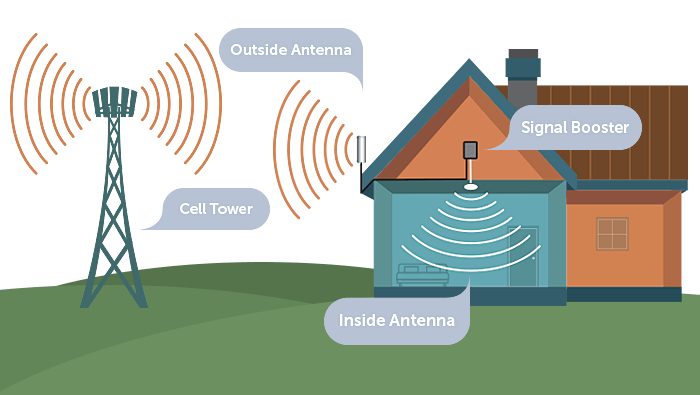
A cellular signal booster is an amplifier installed in you home or office that increases the signal strength within the building. The main aim of the device is to carry and amplify an existing cell signal from the outdoors and send indoors where coverage may be weak or non-existent.
There are three main causes bad cell phone signal:
The distance you are away from the cell tower,
Obstacles in the way of the cell signal,
Construction materials that make up the exterior of the building or vehicle that you’re in.
The closer you are to a tower, the stronger the cell signal is going to be. As you move further away from the tower, the signal becomes weaker, which we call attenuation, until at some point it’s too weak to hold a call or transfer data.
Being too far away from a cell tower is the most common reason for weak cell signal, and the one you’ll often experience if you live or travel in very rural areas.
That last major cause of cellular signal problems is the construction materials that make up the building or vehicle that you’re in.
Brick, block, concrete, sheet metal and wire mesh construction materials are some well-known and obvious blockers of cell service, but things like energy efficient window coatings, tile or metal roofs, and water fixtures can also cause major signal issues.
If you find that you have a usable cell signal outside of the building or vehicle, but it drops significantly once you step inside, then construction materials are the most likely culprit.
As you move up from the entry level to enterprise, the boosting power of the amplifier goes up and the quality of the components (cables, antennas, connectors) improves.
Antenna System Audits
Includes testing of all azimuths, tilts and all other necessary measurements using the most precise and efficient methods possible.
Site Integration
Integration of new sites into the network through single site verification, including: database compatibility tests, parameter audits, frequency planning/RF audits/verification, neighbor audits, single site & cluster drive checking, drive test review & recommendations, announcement of new site KPI’S, cluster management including coverage consideration, and traffic balancing.
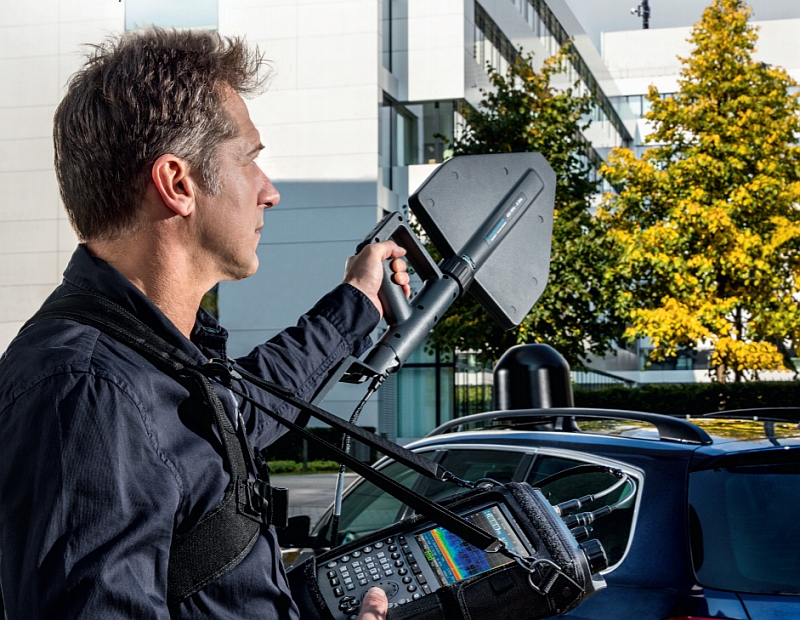
Interference Hunting
The process of locating, identifying, and eliminating unwanted sources of interference that degrade the quality of wireless reception on the receiving end.
As more devices and users are introduced within the limited RF spectrum, minimizing the impact of interference becomes more challenging. Interference hunting tools and practices put advanced technology to work to reduce the impact on network capacity and subscriber QOS.
Interference issues in wireless networks can result in a higher noise floor on the received channel and a lower signal-to-noise ratio (SNR) that degrades signal quality. Mobile users near a source of interference will experience lower data throughput, limited range, more dropped calls, or poor voice quality.
Electrical & Energy Solutions
Electrical Planning, Design And Implementation
Our electrical engineers build a layout providing a visual representation of the electrical systems and circuits to be used in the project and to be carried out once accepted.
Electronic Security
This is a cost-effective internal and external solution to protect your personal and business (digital, physical and intellectual property) from theft.
Alternative Energy
We recognize that we cannot rely exclusively on coal resources to provide the electricity we need to provide the power we use in our daily lives. That’s why we’re providing renewable energy options like Wind, Solar and Hydro.
Building Management
Data Centre Solutions
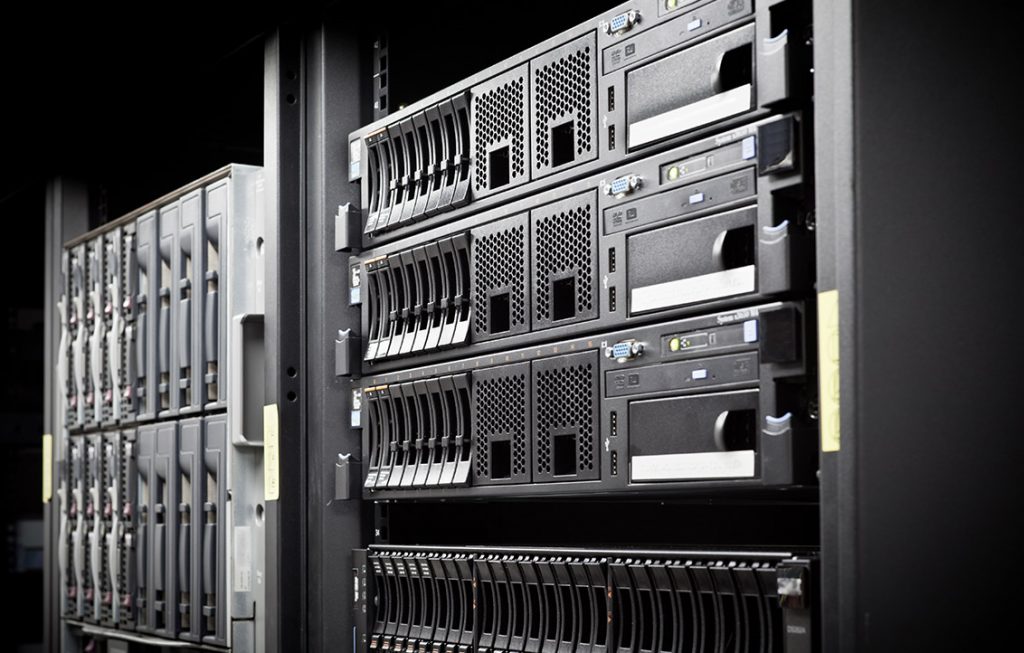
From a simple infrastructure to a more complicated system, Kat Tel Telecoms Solutions will help you choose the best Tiered Data Center solution for business or personal use.
Fire Suppression Systems
Minimize accidents and property damage by planning for fires in the workplace by detection, alerting and suppression systems.